

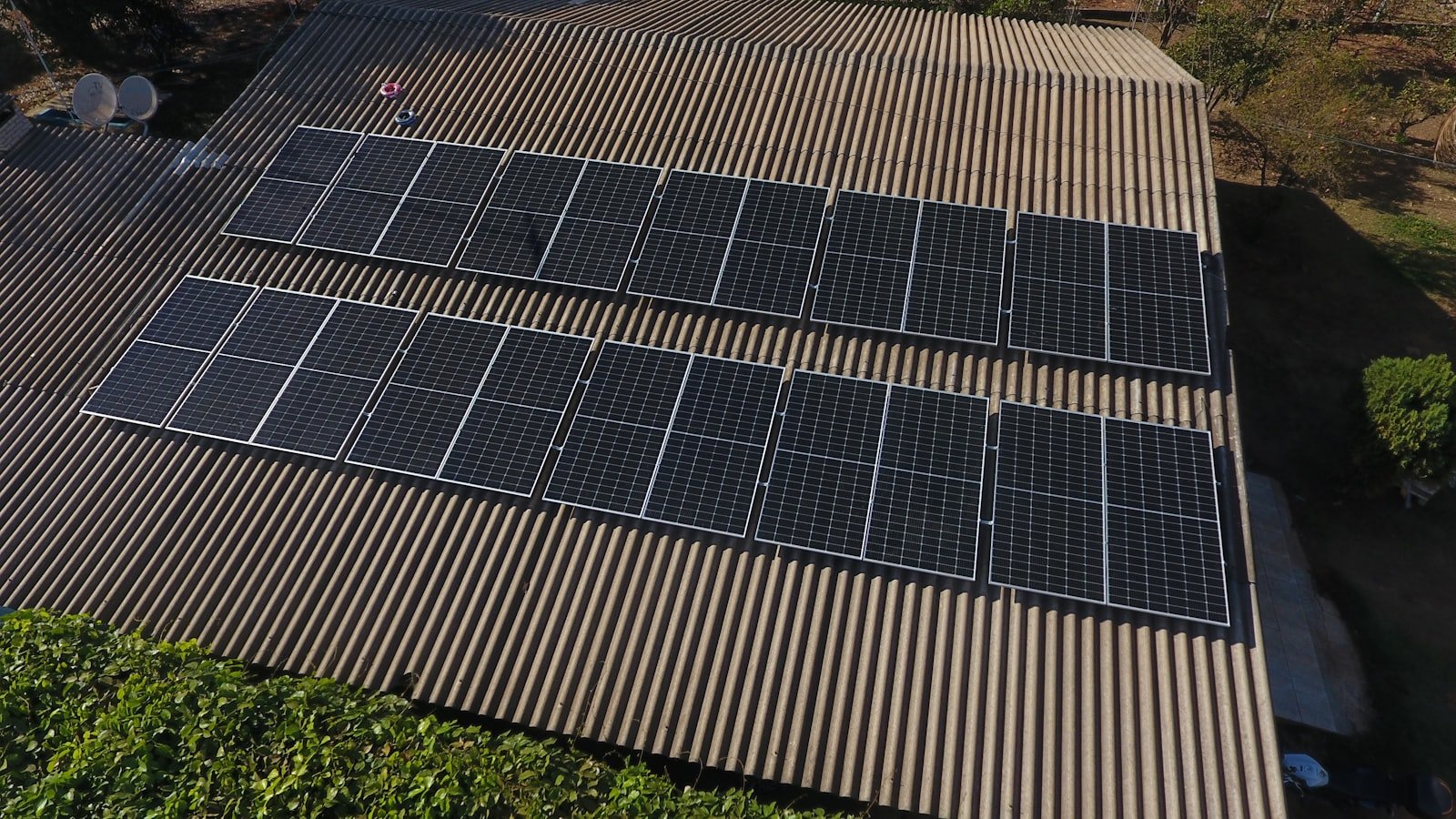
Pakistan has overhauled its rooftop solar policy in 2026, shifting from the popular net metering system to a new net billing framework that pays solar users a lower rate for electricity they export to the grid.
What Changed Under the New Rules
Under regulations notified by NEPRA on February 9, 2026, consumers exporting surplus solar electricity no longer receive the same retail rate they pay for grid power. Instead, exported units are now compensated at the National Average Energy Purchase Price, roughly Rs11 to Rs13 per unit, while consumers continue paying full commercial tariffs of Rs30 to Rs50 per unit for electricity drawn from the grid.
Existing Users Get Some Protection
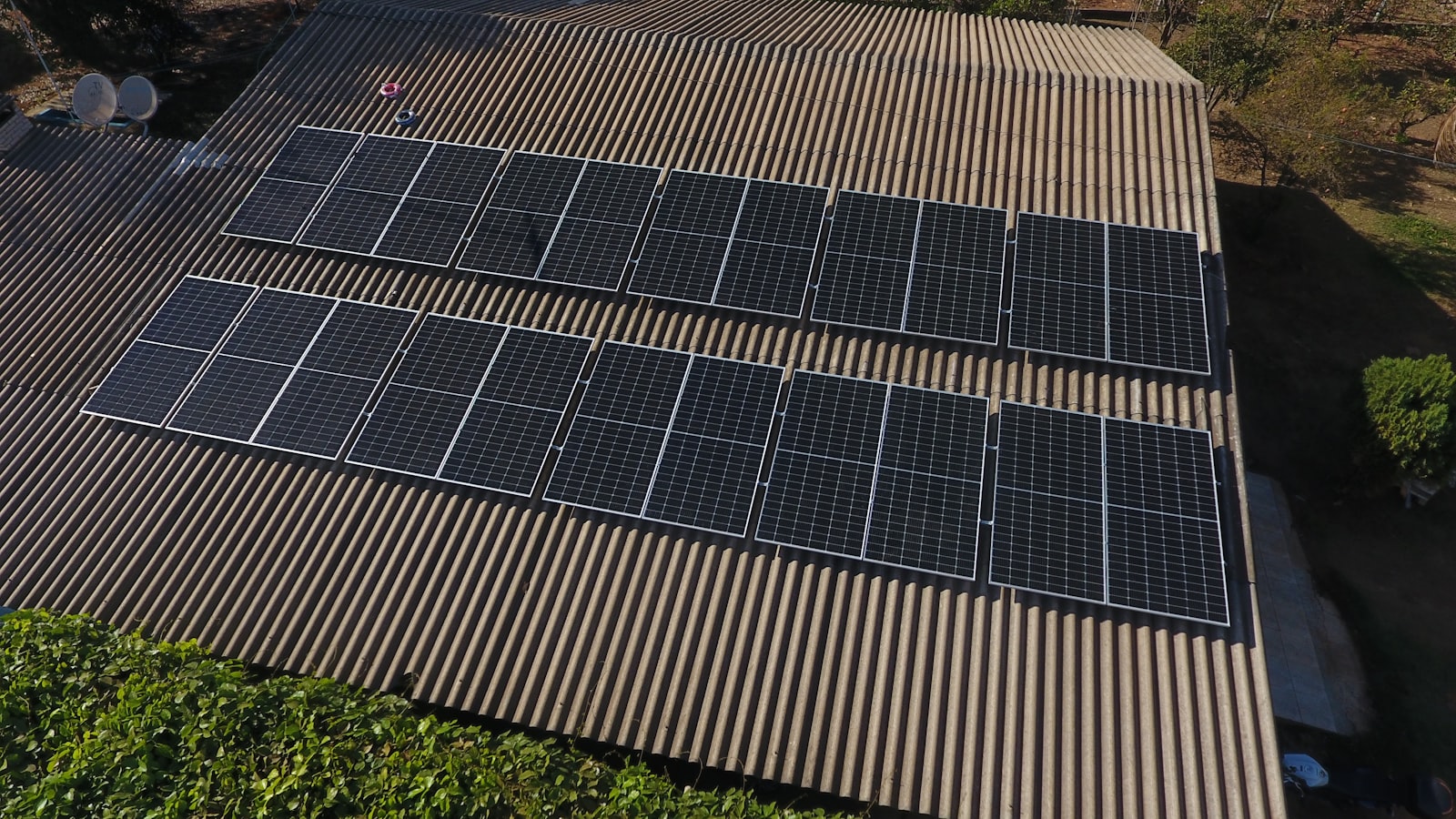
Following public backlash, NEPRA clarified that existing net-metered consumers will retain their current billing arrangements until their contracts expire, now set at five years instead of the previous seven. The power ministry also ordered that applications submitted before February 8, 2026 be processed under the older, more favourable net-metering rules.
A Sector That Grew Rapidly
Pakistan’s net-metered solar capacity surged from around 50 megawatts between 2016 and 2019 to over 6 gigawatts by 2025, with more than 280,000 registered net-metered consumers nationwide. The rapid growth was driven by soaring grid electricity prices, which rose from around Rs9 per unit in 2015 to roughly Rs44 per unit by 2024.
What This Means for Future Solar Buyers
With export rates roughly halved, experts say the smartest approach now is maximizing self-consumption rather than exporting excess power, since every unit used directly still saves the full retail rate. Payback periods for well-sized systems remain in the 3.5 to 4.5 year range, though oversized systems built mainly for grid export will see longer payback times under the new framework.
Frequently Asked Questions
What is the main difference between net metering and net billing in Pakistan?
Net metering offset exported units at retail rates, while net billing pays a separate, lower rate of around Rs11 to Rs13 per unit for exported electricity.
Do existing solar users lose their old rates?
No, existing net-metered consumers keep their current terms until their contracts expire.
Why did Pakistan change its solar policy?
Officials say rapid rooftop solar growth was reducing distribution company revenues and worsening the power sector’s circular debt.

